
This past weekend, the world gathered by the thousands to celebrate the life and mourn the passing of Pope Francis: the 265th successor to Peter and Shepherd of the Catholic Church. His life was a testament to a humble, sincere love that permeated all relationships: with God, others, and the environment.
What’s in a name?
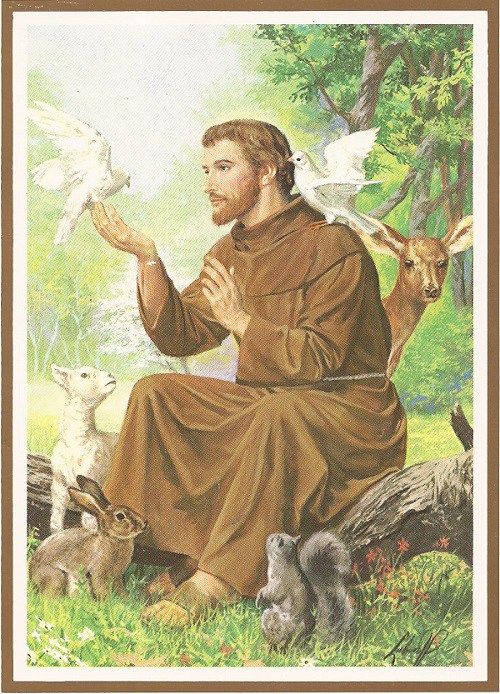
From the very start of his shepherdship, the Argentinian Jesuit set the tone for his papacy with the choice of his papal name: Pope Francis. The name is a first in the papacy and is in tribute to St. Francis of Assisi, the well-loved saint known for having a heart for God’s creation: the plants, animals, and the people, especially the poor.
Pope Francis acted in imitation of his namesake as he also had a heart for the marginalized and vulnerable. Whether it was washing the feet of the poor on Holy Thursday, designating a Jubilee Holy Door at a Roman prison, or connecting with those at the lone Catholic parish in war torn Gaza every night at 7pm, he was a man who not only noticed, but cherished those around him – acting so that others would feel the love of God.
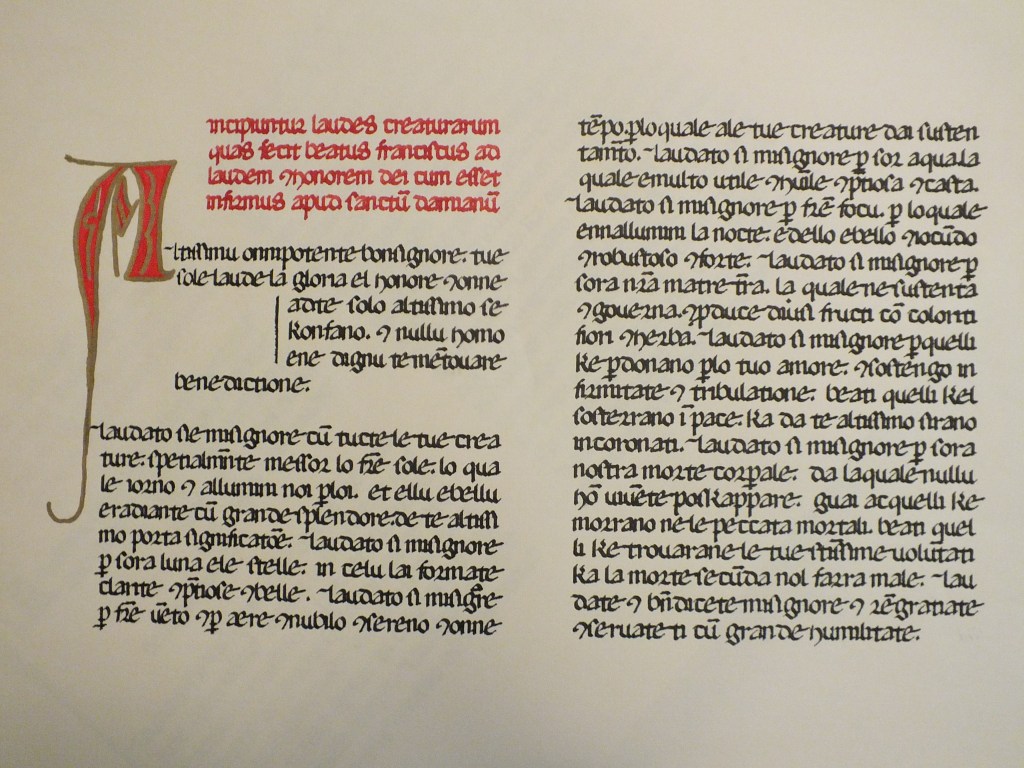
He also had a heart for creation, following in St. Francis’ footsteps, as evidenced by the publication of his encyclical, Laudato Si. Laudato Si is Italian for “Praise to you” and comes from St. Francis of Assisi’s work, The Canticle of the Creatures. In this prayer, St. Francis beautifully captures the magnificence of different aspects of the natural world and expounds how they all raise their praises to God above. A passage reads:
“Praised be You, my Lord, with all Your creatures, especially Sir Brother Sun, Who is the day and through whom You give us light. And he is beautiful and radiant with great splendor; and bears a likeness of You, Most High One. Praised be You, my Lord, through Sister Moon and the stars, in heaven You formed them clear and precious and beautiful.”
Though it may seem strange to think of the sun as a brother or the moon as a sister, in choosing these words St. Francis illustrates a relationship with the world around him. There is a sense of familiarity and care that wells up akin to that found in familial relationships.
It is the strong basis of relationship that is woven throughout Pope Francis’ encyclical Laudato Si, too. He writes: “Human life is grounded in three fundamental and closely intertwined relationships: with God, with our neighbour and with the earth itself.” ( Laudato Si, pp 66).
While not the first pope to do so, in his encyclical and in multiple instances throughout his papacy, Pope Francis highlighted in a special way, that in order to love God and live out the Gospel message of caring for our neighbor, it necessitates that we care for our common home. He wrote: “Living our vocation to be protectors of God’s handiwork is essential to a life of virtue; it is not an optional or a secondary aspect of our Christian experience.” (Laudato Si, pp 217).
How do we do this, though? How do we care for those halfway across the world that we may never meet? How do we act in service of the environment when the destruction and effects are so stark and far reaching? The answer is one akin to the charisms and legacy of both St. Francis of Assisi and Pope Francis: humble and unassuming, but with long lasting reverberations. Pope Francis wrote: “An integral ecology is also made up of simple daily gestures which break with the logic of violence, exploitation and selfishness.“ (Laudato Si, pp 230).
In the small everyday gestures of saying no to buying a new gadget, saying no to taking a long shower, or saying no to leaving the lights on in the room as you leave, you are simultaneously saying yes to living a life of care: for God by cherishing his gift of creation, for others as you share the resources they too need, and of course for the environment as you soften your impact. It is a humbling yet profound reality that in something so small, we can demonstrate so great a love.

Stirring the Heart
The beautiful and inspiring call for the faithful to live a life of integral ecology that Pope Francis articulated so eloquently in Laudato Si stirred the hearts and minds of many throughout the world. One who was particularly taken by this was our founder, Joe Meyer, who has always had a heart for creation. As a science teacher at Marquette University High School and lover of all things outdoors, he’s spent hours birdwatching, studying ecology, and generally marveling at the wonders of the natural world. If you’ve ever had a conversation with him, you know the unbridled enthusiasm that radiates as he teaches and shares his knowledge and love of the environment!
Upon hearing the call of Pope Francis through Laudato Si in 2015, Meyer was drawn to do something more. By 2016, he had founded Laudato Si Project, a nonprofit dedicated to restore humanity’s connection to the natural world through faith, education, stewardship, and recreation.
For years, he went to schools and parishes, facilitating retreats, ecology workshops, and service projects so that others could grow in relationship with Christ and His creation. After 2 years it was evident to him that as the mission and desire for the ministry was growing, there was a need for a more a physical and permanent home! In 2021, Meyer was able to open the Catholic Ecology Center in Neosho, WI.
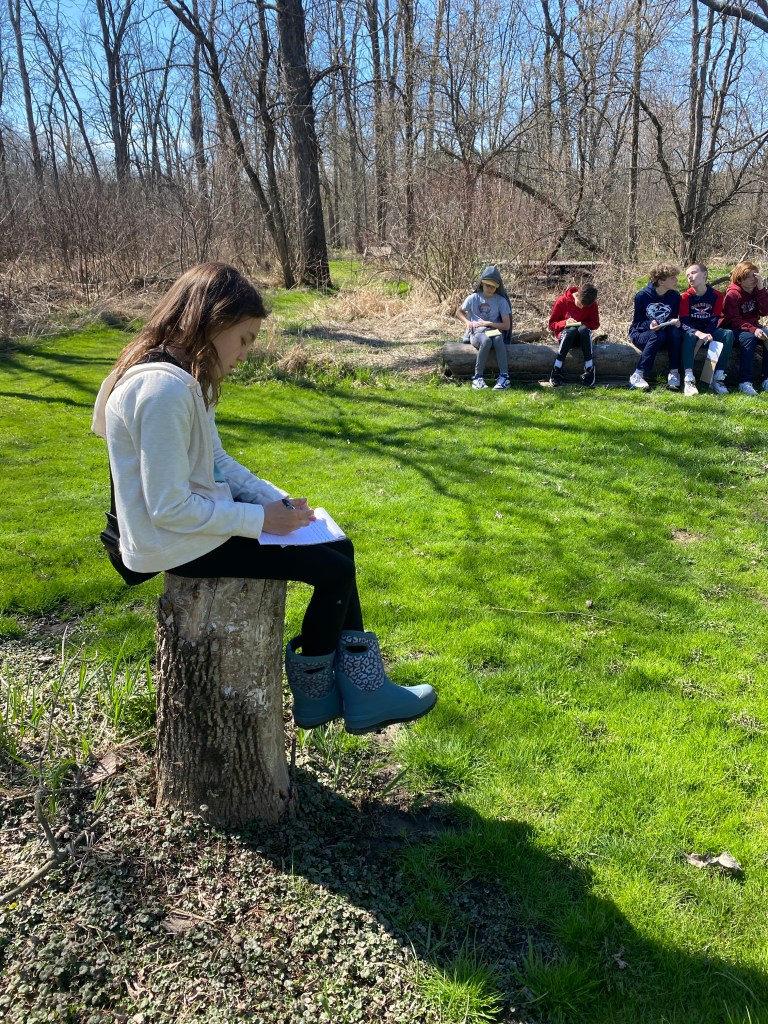
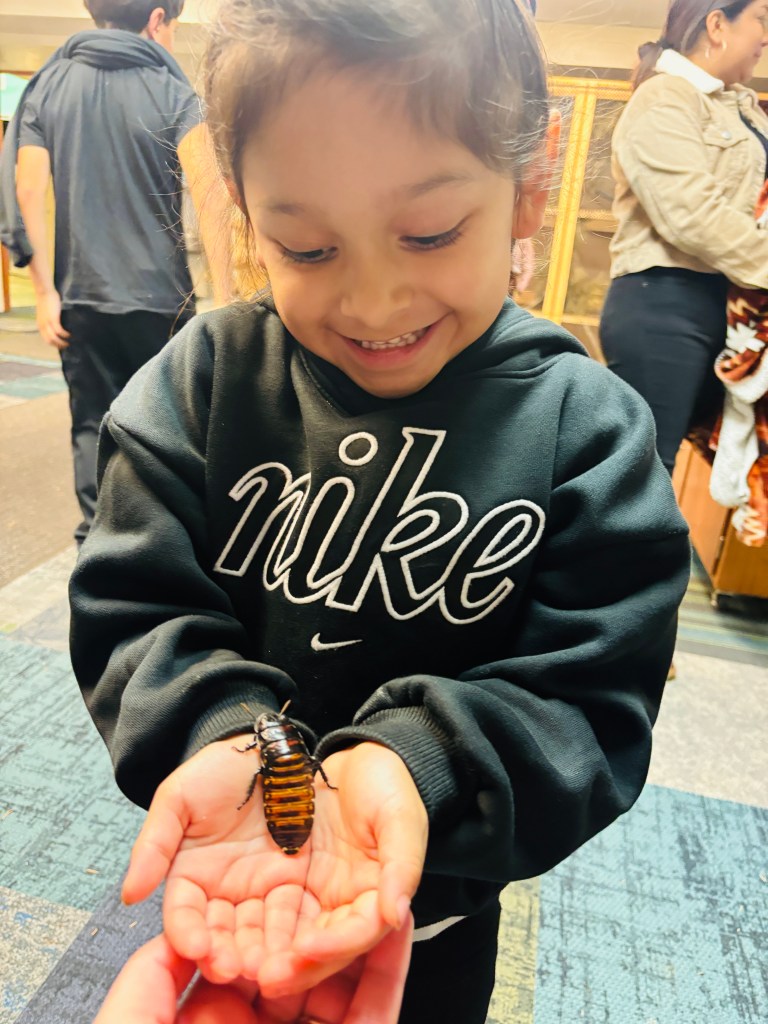
Through the many blessings of God, lots of hard work, and the generosity of countless volunteers and donors, we have been able to serve and work with nearly 25,000 people in the four short years since our opening. Whether by grooming the goats, praying at the outdoor stations of the cross, or learning about amphibian life cycles by looking for tadpoles by the pond, each day brings a new opportunity to encounter the beauty of nature, the goodness of others, and the glory of our God behind it all!





Praying for Pope Francis
As he did so much to inspire our mission, we hold Pope Francis close to our hearts these days and always as we pray for the repose of his soul. In his words, deeds, and ministry he illuminated the real and critical responsibility we have to be stewards of creation and to sow love through our daily choices. As we pray for the Pope and remember him in the coming days, let us work to act in imitation of the man who was a shepherd to so many, and follow his challenge for us to be “protectors of creation, protectors of God’s plan inscribed in nature, protectors of one another and of the environment.” (Papal Homily, March 13, 2019).
Pope Francis…Pray for us!


 Catholic Ecology Center Blog