Integrating the riches of our Catholic faith with a call to care for creation

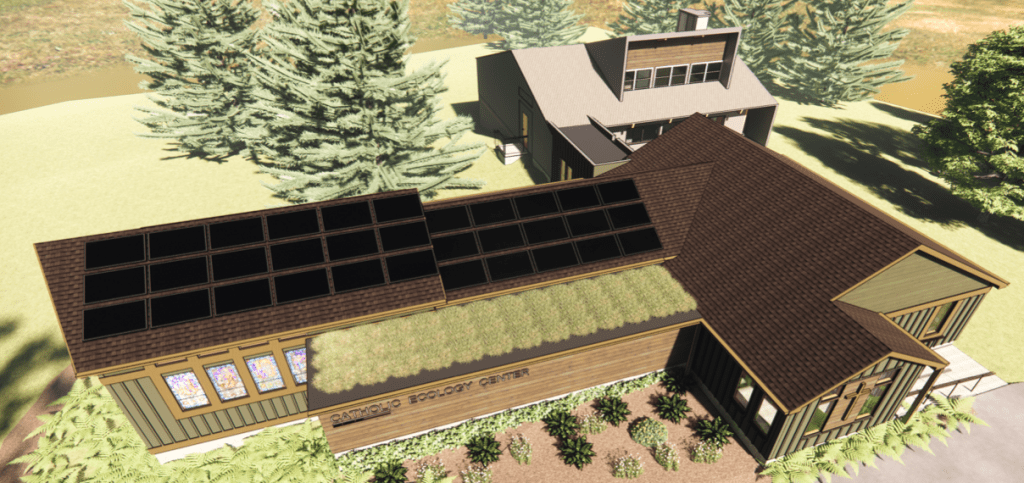
We are absolutely thrilled to be in the process of adding our 3500 sq ft building addition; The Wayne and Donna Neu Building. This addition allows us more spaces to meet our current demand while enabling us to grow well into the future. This addition includes the Holy Family Chapel, Frassati Breakout Room, Welcome Area, Outdoor Viewing Deck and full handicap accessibility. Within this new addition, we wanted to capture our unique mission of integrating the richness of our Catholic faith with stained glass windows, statuary and religious artwork but couple it with sustainability features including renewable energy, water conservation, locally sourced products and reclaimed materials. We want to thank the many people who are making this addition and our mission possible. If you would like to give, please visit us HERE.

Renewable Energy at the CEC
We are showcasing two major sources of renewable energy in our new addition, Geothermal Heating/Cooling and Solar Energy. These two energy sources eliminate the use of fossil fuels for the heating of the building and provide the electricity to run our lighting and the geothermal heat pumps to heat/cool our buildings.
Geothermal Heating and Cooling
Geothermal energy utilizes the constant temperature below ground to either bring heat into the building or dissipate heat from the building. We will have 18 geothermal tubing loops running 20 feet underground for a length of 250 feet; totaling 9000 feet of tubing! The special liquid inside the loops (Ethanol based) does the heat transfer that is required for maintaining the temperature desired in the building. The actually ductwork and control panel in the building is the same as you would have with traditional HVAC. We are utilizing this amazing renewable energy in our 3500 sq ft addition but also converting our existing 4000 sq ft building to it as well!!

Solar Energy
Solar technology has been around for decades and it has become more efficient and cost effective as time has gone on. We are installing a USA made 13.8 kW solar panel array on our new addition to power the electric needs of both the existing building and its new addition. This rooftop solar will produce roughly 85% of our electricity needs which will be coupled with energy efficient lighting and appliances. The energy produced on our roof in one year could power an electric car to drive from New York City to LA and back 10.5 times!!

Water Conservation
We are so very blessed to be in a “water-rich” state but that doesn’t give us the license to neglect our precious water resources. We wanted our new addition to showcase water conservation in a way that will empower visitors to change the way they think about and use water.
Green Roof
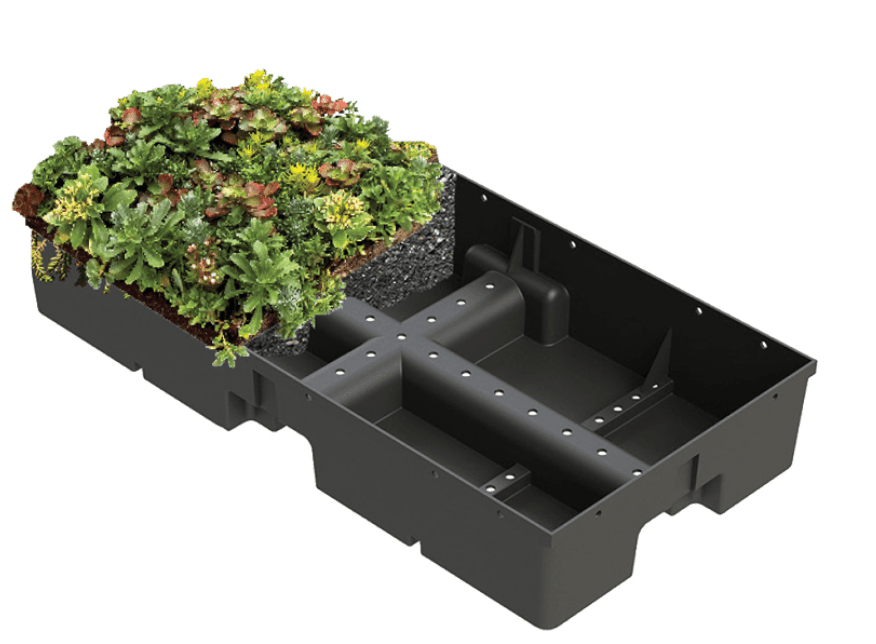
Our Green Roof utilizes modules that consist of a drought tolerant sedum that can absorb 70% of rainfall- draining 1700 sq ft of our roof. This roof also adds insulation value to that part of the building. Rainwater that is not intercepted by the green roof will make its way to our Pollinator Rain Garden that will capture the remainder of the rainfall.
Grey Water System
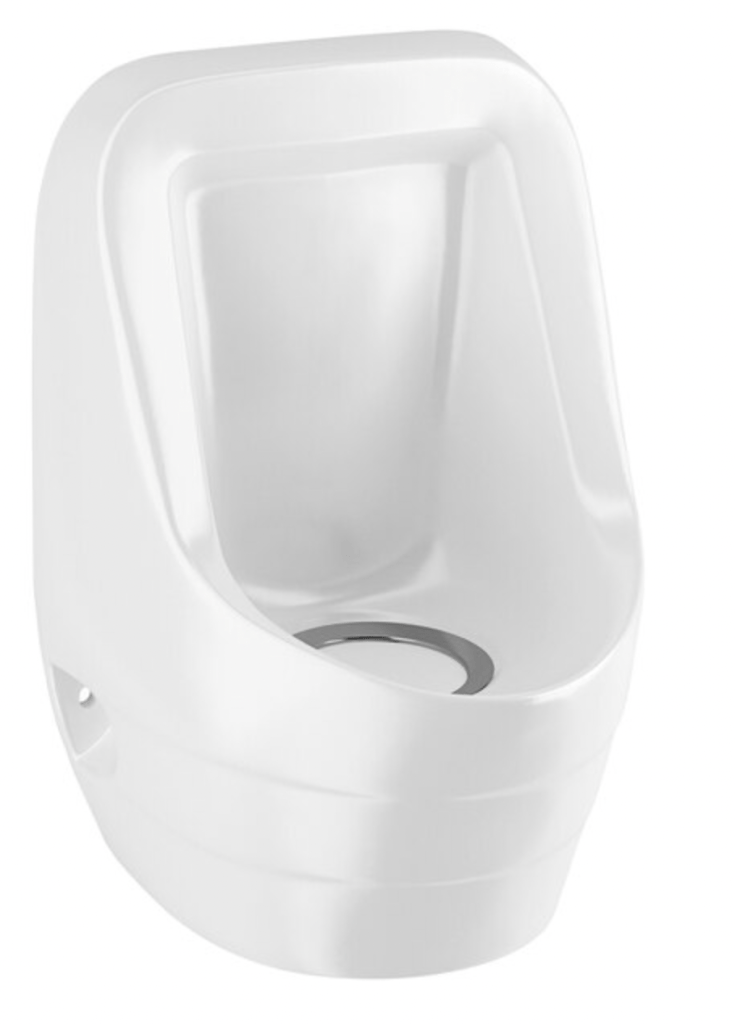
The term “grey water” refers to any water that has been used in a sink, laundry machine or shower. Although this water contains soaps and some dirt, a grey water system is designed to filter out these particulates and re-utilize this water for another, non-drinking use . In our grey water system, we will capture grey water from the bathroom sinks, bubbler and laundry machine to used in an irrigation system in our native pollinator rain garden. This ensures we are using water to its greatest potential before facilitating its return back into the groundwater. Another way we are maximizing water conservation is with dual-flush toilets (you can flush less for #1 and more for #2) and a waterless urinal.


Sustainable Materials
We are committed to using materials in our building addition that are made from recycled materials, reduce or eliminate indoor pollutants like VOC’s (volatile organic compounds), are sourced responsibly and are reclaimed/reused.
FSC Certified Lumber
Not all forestry practices are done responsibly or sustainably. FSC (Forest Stewardship Council) is a designation that ensures that the lumber you are purchasing is grown and harvested using the most environmentally sustainable forestry practices like selective logging vs clear cutting. This certification would be akin to the organic designation for food. It also ensures that the forestry practices used maintain high water quality, like reducing erosion, in adjacent waterways to where the forestry is taking place.

Wood Alternatives
We are able to highlight several types of products that are made from wood alternatives. Our reception desk countertop is made from pressed sunflower seeds. The front paneling on the reception desk is made from “hemp wood” which is a pressed hemp fiber product. The flooring in The Holy Family Chapel and Frassati Breakout Room is made from cork. Cork flooring is made from the bark of the cork tree and our flooring is made from both renewable and recycled cork bark. After the life of the flooring, 30+ years, the cork can be recycled or composted, as it 100% biodegradable.


Recycled Content Flooring
The carpeting in both our new addition and existing building is made from high recycled plastic content. To ensure indoor air quality, the flooring is also low VOC and the adhesives used to affix the carpet tiles are zero VOC compliant.
St Kateri Classroom flooring contains recycled plastic content equal to 5800 plastic water bottles!


Local Reclaimed Lumber
Our live edge benches inside the new addition vestibule and welcome area are made from dead ash trees cut from the CEC property and locally milled. The outdoor front entrance cross is made from a spruce tree that had to be removed for the new addition. Our gallery art wall in the corridor between the welcome area and Holy Family Chapel is made from trees removed from the Trinity Woods campus of the School Sisters of Notre Dame. This was during their building project for our partner Milwaukee Catholic Home.


Repurposed
The majority of all our furniture, shelving, and kitchen appliances in both the existing building and new addition have been reused and repurposed from various schools, parishes and other organizations. This also includes the many religious items and statuary that will be in our new Holy Family Chapel (we will showcase these in a future blog post).
Going Native
Beyond the 2.5 acres of our property that we planted in pollinator prairie, the landscape plantings around the new addition will also serve as both beautiful landscaping and a natural ecosystem function. The pollinator rain garden in front of the new building will be able to handle rainwater that is not captured by the green roof while also receiving irrigation water from our grey water system. Native prairie plantings and shrubs will surround our building, creating habitat and food sources for our many native birds, bugs and butterflies.

If you want to learn more about this exciting building project, you can read more or donate at https://catholicecologycenter.org/cec-building-addition





 Catholic Ecology Center Blog